
Wheel and Tire Ceramic Protection Explained

Updated: Sep 29
Your wheels take a beating long before the rest of the vehicle starts to look dirty. Brake dust bakes onto the finish, tires dry out under Arizona sun, and road grime sticks to every surface that runs hot. That is exactly why wheel and tire ceramic protection matters. It is not about making your wheels glossy for a day. It is about making them easier to clean, better protected, and more consistent in how they look between washes.
For drivers who care about keeping their vehicle sharp without adding another chore to the week, this type of protection makes practical sense. Wheels are one of the hardest areas to maintain, and tires are one of the first places a vehicle starts to look neglected. Protect both properly, and the whole vehicle looks cleaner.
What wheel and tire ceramic protection actually does
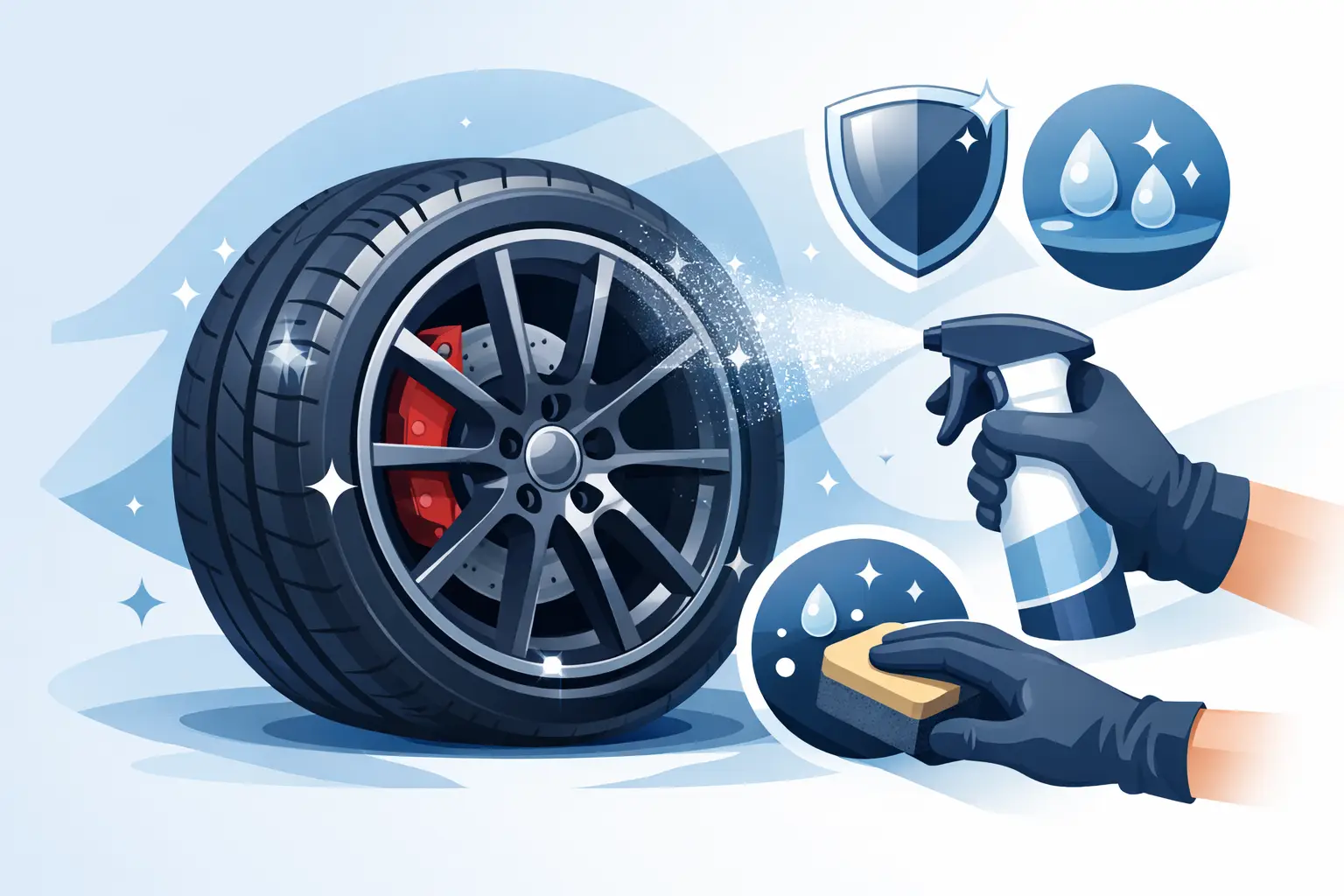
Ceramic protection creates a protective layer over the surface of the wheel and, depending on the product used, over the tire sidewall as well. On wheels, that barrier helps reduce how aggressively brake dust, road film, and mineral buildup bond to the finish. On tires, it can help slow down UV-related drying and fading while improving how evenly the tire dressing holds.
The big benefit is not that dirt disappears. It does not. The real value is that contamination has a harder time sticking, so regular cleaning takes less effort and the results come back faster. Instead of scrubbing heavily caked-on brake dust or dealing with tires that look brown and tired days after a wash, protected surfaces respond better to routine maintenance.
That matters even more in places where heat, dust, and hard water all work against your vehicle. Wheels run hot by nature, and hot surfaces tend to hold onto contamination. Add Arizona sun and daily driving, and unprotected wheels age faster than most people expect.
Why wheels and tires need their own protection
A lot of vehicle owners assume paint protection is enough. It is not. Wheels and tires live in a different environment than painted panels.
Wheels deal with intense heat cycles, metallic brake dust, road salt in some travel situations, tar, and sharp chemical exposure from neglected buildup. Tires flex constantly, sit closest to the pavement, and absorb direct UV exposure all day. The products that work well on paint are not always the right fit for these materials.
That is why dedicated wheel and tire ceramic protection is worth considering. It addresses the specific surfaces and the specific abuse they take. A daily driver, a family SUV, a lifted truck, and even an RV can all benefit here, though the exact approach may vary based on wheel finish, tire condition, and how the vehicle is used.
Wheel and tire ceramic protection benefits you will notice
The first thing most people notice is easier cleaning. Protected wheels usually release dirt faster during hand washing, especially if they are maintained consistently. Brake dust still shows up, but it does not bite into the finish as easily.
The second noticeable difference is appearance. Wheels tend to stay brighter, glossier, or cleaner-looking longer depending on the finish. Tires often maintain a more even, finished look instead of going blotchy or dry after a short time.
There is also a protection benefit that builds value over time. When contamination sits too long on bare wheels, it can stain or etch certain finishes. When tires are repeatedly exposed to harsh sun and cheap dressings without proper care, they can start to look faded and brittle. Ceramic protection is not a force field, but it helps reduce that wear.
For busy drivers, the convenience factor is a big deal. If your vehicle needs to look good at work, at home, or on the weekend, easier maintenance is not a luxury. It saves time and keeps standards up without constant effort.
What it does not do
Good service means being clear about the limits too. Ceramic protection does not stop brake dust completely, prevent curb rash, or make neglected wheels look brand new without prep work. If a wheel already has pitting, baked-on damage, peeling clear coat, or deep staining, a coating will not erase that.
The same goes for tires. If the rubber is dry, browned, and cracked from age, protection can improve the look and help maintain it, but it cannot reverse physical deterioration. Proper prep and realistic expectations matter.
This is also not a one-time excuse to ignore maintenance. Protected wheels still need washing. Tires still need cleaning. The difference is that regular care becomes easier and the surfaces stay in better shape when you keep up with them.
The prep work is where the result really starts
People often focus on the coating itself, but prep is what determines whether wheel and tire ceramic protection performs well. If contamination is left behind before protection is applied, it gets trapped under the layer. That hurts both appearance and durability.
A proper process usually starts with a deep wheel cleaning to remove brake dust, road film, old dressing, and embedded grime. Tires need to be scrubbed clean enough to strip away residue that would block bonding. Wheels may also need iron removal or decontamination depending on the condition.
After that, the surface has to be fully dry and ready for the product. This part matters more than people think. Rushed prep is one of the main reasons coatings fail early or look uneven.
That is also why professional application appeals to so many vehicle owners. It is not just about having someone else do the work. It is about getting the cleaning, prep, and product choice right the first time.
Which vehicles benefit the most
Almost any vehicle can benefit, but some owners see the payoff faster. Daily commuters that rack up miles collect brake dust and road film constantly. Family SUVs and vans deal with stop-and-go driving, which means repeated brake use and extra wheel contamination. Trucks and lifted vehicles often have larger, more visible wheel setups that make dirt stand out immediately.
Performance vehicles are obvious candidates because aggressive braking creates more dust. But practical vehicles may gain just as much because they are expected to stay presentable with less time spent on upkeep. If your vehicle has dark wheels, polished wheels, machined faces, or intricate spoke designs, ceramic protection can be especially useful because those finishes and shapes are harder to clean thoroughly by hand.
Is it worth it for Arizona drivers?
In many cases, yes. Heat alone changes the equation. Sun exposure dries tires faster, and hot wheel surfaces make contamination tougher to remove once it bakes in. Dust is constant, and hard water can leave spotting when vehicles are washed carelessly or left wet.
That does not mean every driver needs the most expensive coating package available. It depends on your expectations. If you want the easiest maintenance and you care about long-term appearance, protection is usually worth it. If you rarely wash the vehicle and are not concerned about wheel condition, you may not notice the full benefit.
For many homeowners and professionals in the East Valley, the value is in preserving appearance without adding hassle. That is why mobile detailing services are a natural fit. When someone can handle the prep and protection at your home or office, it becomes much easier to stay ahead of wear instead of waiting until the wheels already look rough.
How to make wheel and tire ceramic protection last
Once protection is applied, maintenance still matters. Gentle but thorough cleaning helps preserve the surface and keep buildup from stacking up. Harsh acids, cheap silicone-heavy dressings, and neglected brake dust can shorten the life of the protection.
The best routine is simple. Wash the wheels regularly, clean the tires fully before reapplying any dressing, and avoid letting contamination sit for weeks at a time. If the vehicle is driven hard, parked outdoors constantly, or exposed to frequent dust storms, expect maintenance intervals to be shorter. That is normal, not a sign the protection failed.
Some owners want the deepest gloss possible, while others care more about easy cleaning and a clean satin tire look. A good detailer will match the approach to your vehicle, your driving habits, and your expectations instead of pushing extras you do not need. That customer-first approach is what separates real protection from a quick shine job.
LJS Elite Mobile Detailing sees this firsthand with Arizona vehicles that look fine on the paint but already show neglect around the wheels and tires. Handle those areas correctly, and the whole vehicle presents better.
If your wheels are hard to keep clean, your tires fade fast, or you are tired of spending extra time scrubbing the dirtiest part of the vehicle, wheel and tire ceramic protection is one of the smartest upgrades you can make. It is practical, visible, and built for the kind of wear most drivers deal with every week.
Comments